
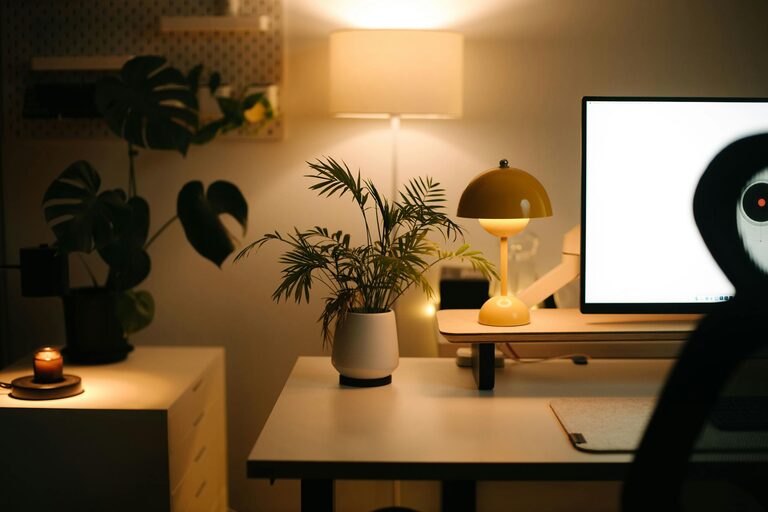
Creating a cozy and inviting workspace at home is essential for comfort and productivity. Whether you work remotely full-time or just need a spot for occasional tasks, a well-designed area can make a big difference in your focus and mood. Below, you’ll find practical tips to transform your home workspace into a place where you enjoy spending time and accomplishing your goals.
Choose the Right Location
The first step is finding the best spot in your home for your workspace. Consider the following:
– Natural Light: Place your desk near a window if possible. Natural light reduces eye strain and improves mood.
– Quiet Area: Pick a spot away from household traffic and noise to minimize distractions.
– Space Availability: Ensure there’s enough room for your desk, chair, and storage without feeling cramped.
If you don’t have a dedicated room, a quiet corner or a subdivided area can still work well.
Invest in Comfortable Furniture
Comfort is key when you spend long hours at your desk. Focus on these elements:
– Ergonomic Chair: Choose a chair with good lumbar support and adjustable height to maintain healthy posture.
– Desk Size: Your desk should have enough space for your computer, notes, and accessories without clutter.
– Footrest and Accessories: A footrest can improve circulation, and a keyboard tray or monitor stand can help position your equipment ergonomically.
Remember, comfort helps reduce fatigue and keeps you focused.
Personalize Your Space
Adding personal touches makes your workspace welcoming and inspires creativity:
– Colors: Choose calming or motivating colors for your walls or decorations. Soft blues and greens are soothing, while yellows and oranges can energize.
– Artwork and Photos: Hang artwork or family photos to create a positive atmosphere.
– Plants: Incorporating greenery improves air quality and adds freshness to your workspace.
Personal elements bring warmth and make the space feel uniquely yours.
Organize Efficiently
A clutter-free space promotes focus and reduces stress. Try these organizing tips:
– Storage Solutions: Use shelves, drawers, or bins to keep supplies tidy and accessible.
– Cable Management: Use clips or ties to keep cords organized and prevent tangling.
– Daily Cleanup: Spend a few minutes each day clearing your desk to maintain order.
Effective organization makes it easier to find what you need and keeps your mind clear.
Use Proper Lighting
Good lighting supports productivity and comfort:
– Task Lighting: Add a desk lamp with adjustable brightness for focused work.
– Avoid Glare: Position screens and lamps to minimize glare and reflections.
– Ambient Lighting: Layer your lighting with overhead fixtures or floor lamps for a balanced environment.
Proper lighting reduces eye strain and helps maintain alertness.
Incorporate Break and Relaxation Areas
Including a small area to relax or stretch can boost your well-being:
– Comfortable Chair or Cushion: Add a cozy chair or floor cushion away from your desk for breaks.
– Stress-relief Items: Keep items like stress balls, fidget toys, or a small water fountain nearby.
– Aromatherapy: Diffusers with essential oils like lavender or peppermint can create a calming or invigorating atmosphere.
Short breaks refresh your mind and enhance focus.
Use Technology Wisely
Technology shapes your workspace, so choose and arrange devices thoughtfully:
– Reliable Equipment: Use a dependable computer, headset, and webcam if needed.
– Wireless Peripherals: Wireless keyboards and mice reduce cable mess.
– Monitor Positioning: Position your monitor at eye level to avoid neck strain.
Setting up technology effectively supports smooth workdays.
Maintain Air Quality and Temperature
A comfortable environment is more than just furniture and lighting:
– Ventilation: Ensure good airflow by opening windows or using air purifiers.
– Temperature: Keep the temperature at a comfortable level; consider fans or heaters if needed.
– Humidity: Adding a small humidifier can prevent dry air issues, especially in colder months.
A fresh and well-regulated atmosphere improves comfort and productivity.
Establish Boundaries
To keep work life balanced:
– Dedicated Workspace: Use your workspace only for work-related tasks to mentally separate home and professional life.
– Signaling: Use signs or cues to let others know when you’re working to reduce interruptions.
– Routine: Develop a consistent schedule to start and end your workday.
Clear boundaries help maintain focus and create work-life harmony.
—
By following these tips, you can create a cozy, inviting, and productive home workspace tailored to your needs. A well-thought-out workspace makes working from home enjoyable and keeps you motivated day after day. Start small, and gradually adjust your space to fit your preferences and work style. Happy decorating!