Creating a relaxing home office environment is essential for maintaining focus, productivity, and well-being while working from home. A well-designed workspace not only helps reduce stress but also promotes creativity and efficiency. If you’re looking to improve your home office setup, here are some practical tips to help you create a calm and inviting space.
Choose the Right Location
The first step in designing a relaxing home office is choosing the right spot in your home. Ideally, select a quiet area with minimal distractions. If possible, avoid high-traffic zones such as the kitchen or living room. A dedicated room or a quiet corner can make it easier to separate work from personal life.
Consider natural light when selecting your workspace. A location near a window can boost your mood and energy levels, but be mindful of glare on your computer screen.
Invest in Comfortable Furniture
Comfort is key to staying relaxed and focused throughout the workday. Here are some furniture tips to keep in mind:
– Ergonomic Chair: Invest in a chair that supports good posture, with adjustable height and lumbar support.
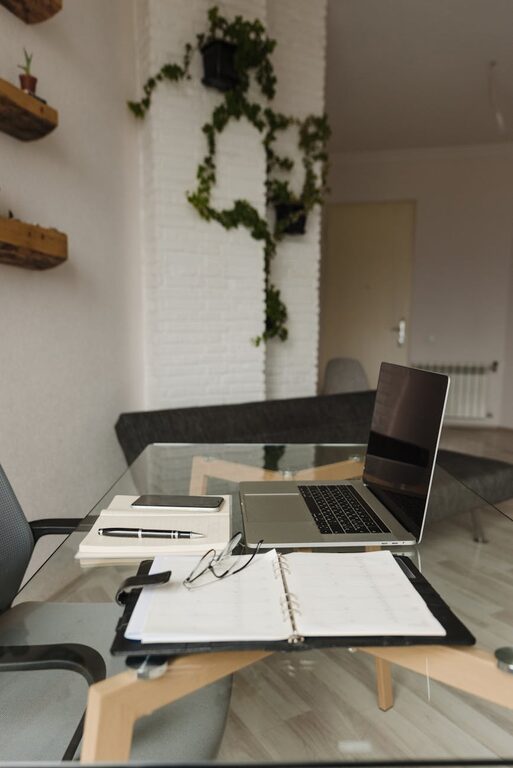
– Desk: Choose a desk that fits your space and work needs. Adjustable desks are ideal if you like to alternate between sitting and standing.
– Footrest: Use a footrest if your feet don’t comfortably reach the floor to prevent strain.
Proper furniture helps reduce physical discomfort, which can distract you from your work.
Declutter and Organize
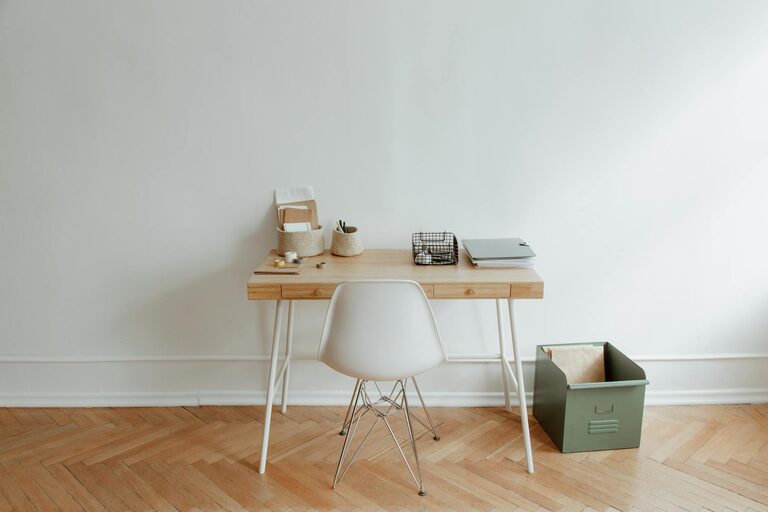
A cluttered workspace often leads to a cluttered mind. Keeping your desk and work area tidy promotes relaxation and makes it easier to focus.
– Use organizers or drawer dividers to keep supplies in order.
– Limit the items on your desk to essentials only.
– Regularly clean your workspace to avoid buildup of dust and clutter.
Consider adopting the “one in, one out” rule to manage office supplies and paperwork effectively.
Personalize Your Space
Adding personal touches to your home office helps create a welcoming atmosphere. Choose decor items that inspire and calm you, such as:
– Photos of loved ones or favorite places
– Art prints or motivational quotes
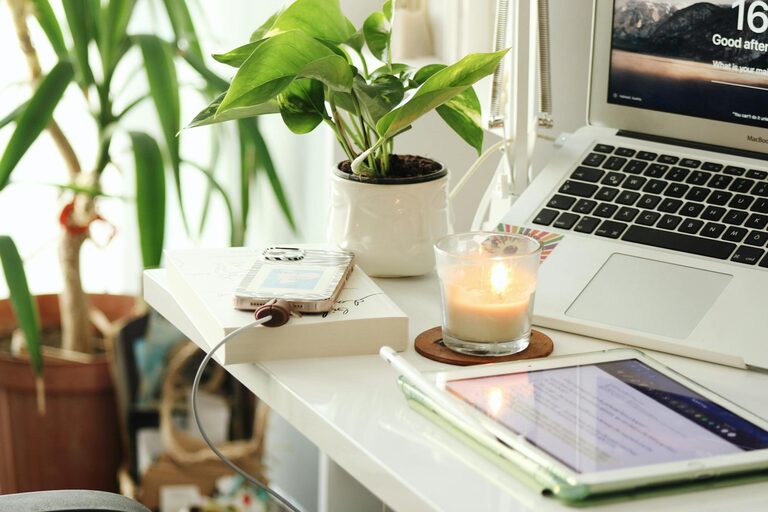
– Plants to add natural greenery and improve air quality
However, keep decorations minimal to prevent overwhelming the space.
Control Lighting
Lighting plays a significant role in creating a relaxing environment. Here are some lighting ideas:
– Maximize natural light during the day by positioning your desk near windows.
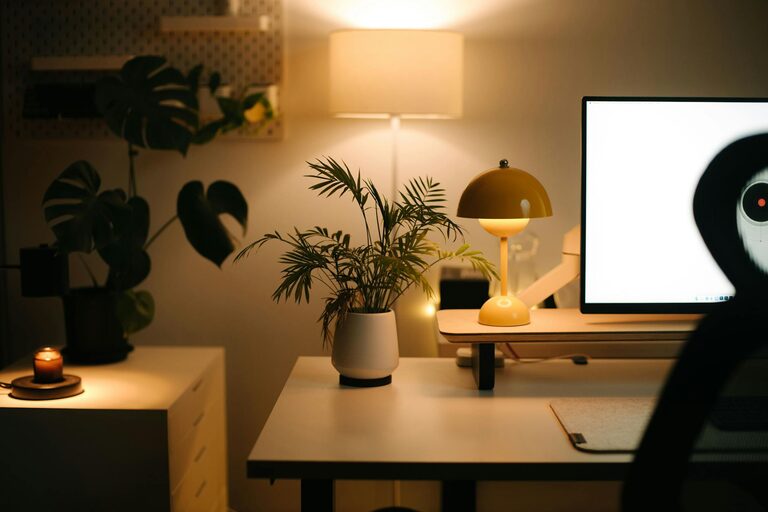
– Use soft, warm artificial lighting instead of harsh fluorescent lights.
– Consider a desk lamp with adjustable brightness to reduce eye strain.
Dimmable lights or smart bulbs allow you to change the ambiance based on your mood or time of day.
Manage Noise Levels
Noise can be a major distraction and stressor when working from home. If your space isn’t naturally quiet, try these solutions:
– Use noise-cancelling headphones or earplugs.
– Play calming background music or white noise.
– Install rugs or curtains to absorb sound and reduce echo.
If external noises are unavoidable, soundproofing options like door seals or window inserts may help.
Establish a Relaxing Routine
Your environment supports relaxation, but your habits also matter. Create a routine that encourages breaks and mental rest:
– Take short breaks every hour to stretch or walk.
– Use techniques like deep breathing or mindfulness during breaks.
– Set boundaries for your work hours to avoid burnout.
Consider incorporating a small relaxation corner in your office with a comfortable chair or yoga mat for quick stress relief.
Maintain Good Air Quality
Fresh air and proper ventilation contribute to a pleasant workspace. Here are some ways to improve air quality:
– Open windows regularly to let in fresh air.
– Use an air purifier if needed.
– Add indoor plants known for air-purifying properties, like snake plants or pothos.
Good air quality supports concentration and overall health.
Optimize Technology Setup
Having an efficient and user-friendly tech setup minimizes frustration and distractions:
– Keep cables organized with clips or sleeves.
– Use a monitor at eye level to avoid neck strain.
– Ensure your internet connection is reliable.
Regularly update your devices and software to maintain smooth performance.
Final Thoughts
Designing a relaxing home office environment doesn’t have to be complicated or expensive. By focusing on comfort, organization, lighting, and personal touches, you can create a space that supports both productivity and well-being. Remember, your work environment reflects and affects your mindset, so invest time and care into making it a place you enjoy spending time in. With these tips, you’re well on your way to a more calm and efficient home office.